Showing posts with label Havre de Grace Green Team Community Gardens. Show all posts

Friday, January 29, 2016

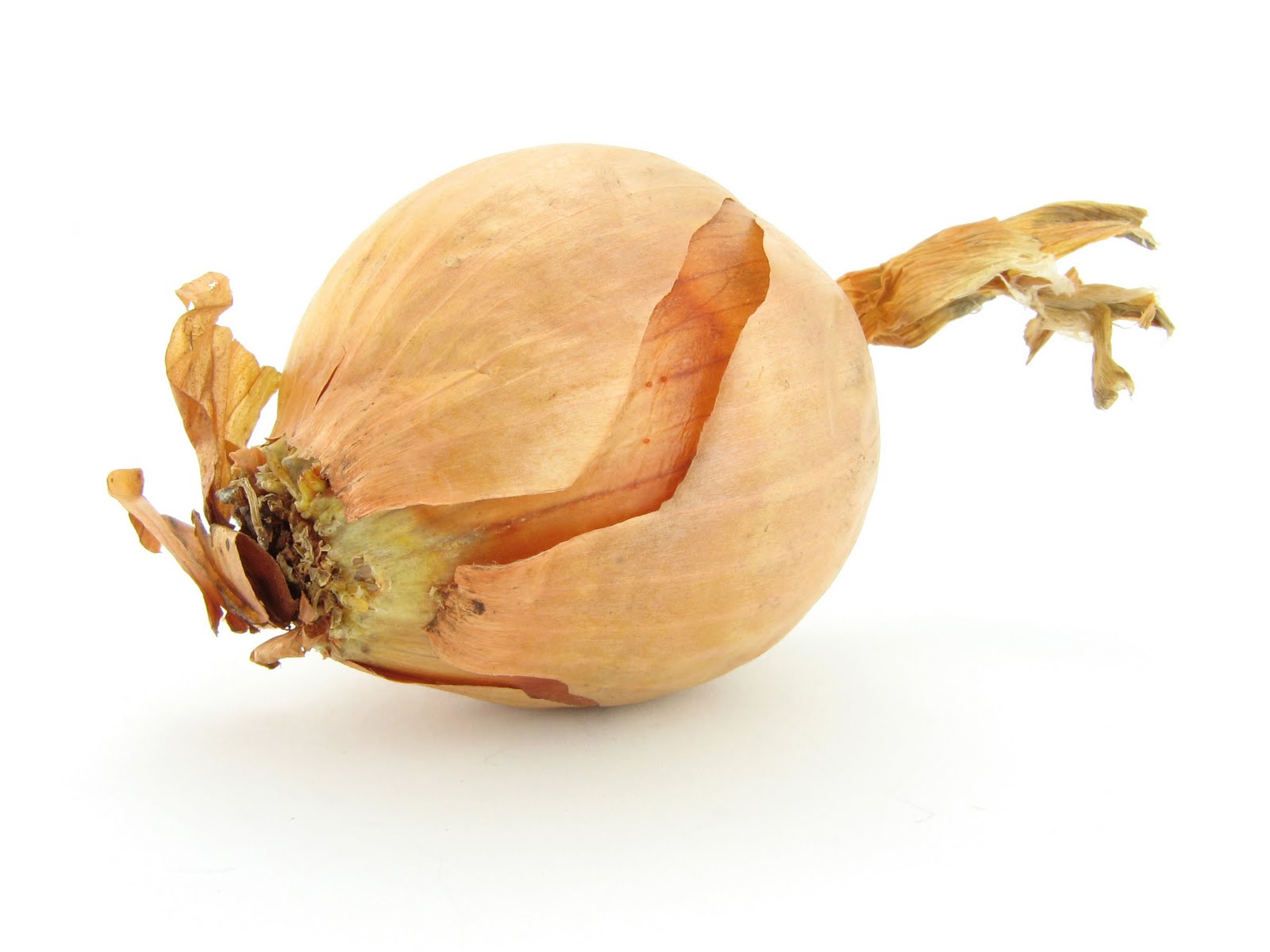
Onions - Vegetable Garden Plant Guide

Vegetable Garden Plant Guide
Havre de Grace Green Team
Onions
Onion.jpg

INTRODUCTION

The onion, also known as the bulb onion or common onion, is a vegetable and is the most widely cultivated species of the genus Allium.  The onion is most frequently a biennial or a perennial plant, but is usually treated as an annual and harvested in its first growing season.
Onions are often grouped according to taste (mild and strong flavored), color (white, yellow, and red) and use (storage or freshly eaten).  Globe varieties tend to keep longer in storage.
Onion cultivars also have different requirements as to the number of hours of daylight required to make an onion bulb as described below:
  1. Long Day - bulb sets when it receives 14-16 hours of daylight and is adapted to Northern summers;
  2. Short Day -bulb sets with about 12 hours of daylight and are used in the deep South for winter production;
  3. Intermediate -  Maryland Zone 7 community gardener's can experiment with all groups, although long day and intermediate types will probably perform better in our area.


This is an excerpt from our new Vegetable Garden Plant Page on the Havre De Grace Green Team website.  For more information on Onions and other Vegetable Garden Plants please see us at:
http://www.hdggreenteam.org/vegetable-plant-guide.html

Monday, January 11, 2016

A Healthy Community Garden Plot Requires Healthy Soil - Part 3


III.    Amendments of Healthy Soil

Vegetables and edible herbs need good healthy soil. Soil that is hard, rocky, soggy, or nutrient-poor will only provide vegetables and herbs that are weak and spindly. For a 100 square foot community garden plot, the gardener should strive to dig or add in 1” of aged or composted organic matter bi-annually. The vegetables and herbs planted in an organic rich soft soil will be able to grow roots more deeply and soak up nutrients that will ensure you will have healthy and productive plants.

Various types of soil amendments exist that can help add the macro and micro nutrients to your organic garden such as:

  • Composted Manure is aged for at least 6 months prior to using it in a vegetable garden. High in Nitrogen, Phosphorus, Potassium and other micro nutrients, the mixture feeds plants, improves soil structure and aids in water retention. Soil bacteria found in composted humus and manure aid in the decomposition of leaf and other organic matter present in the soil; 
  • Composted Humus is made up of decomposed plant material; the addition of plant humus to the organic vegetable garden improves soil structure by clumping soil particles. As organic material decays nutrients are released to help feed plants. Properly prepared hums compost can help to prevent and fight soil borne diseases that affect many plants.
Most organic fertilizers are made from combination of organic peat, animal bone meal, animal blood meal, and fish meal. Plant wastes from agriculture and sea weed, and lastly bio-solid sewage sludge. Be selective with what you use and do some research. Pay attention to the labeling and ensure the macro and micro nutrients listed are absolutely necessary for your garden and follow the directions closely.

A health community garden plot is made up of so much more then minerals and organic matter, water and air. Microscopic and other organisms; such as earthworms and insects, in your soil provide pathways for bacteria and fungi to reach clumps of matter that once broken down provide rich nutrients to the roots of your plants. In essence, a healthy soil is a living soil!

There are numerous products that can be added to the vegetable gardens that are organic based, vice chemical. Diligent gardeners look for products with the OMRI symbol or visit their website; www.omri.org for a list of items that have met the standards for the United States National Organic Program guidelines.

Lastly, soil testing in the community garden can be done with kits purchased from local shops, big box stores, and online. However, nothing compares to have a professional soil test done, these tests are performed in labs that not only give you a nutrient readout, but provide recommendations on how much of what material to add to make up for nutrients lacking in your garden. Please see the University of Maryland Educational Extension webpage at https://extension.umd.edu/ for a listing of soil labs in our regional area.


This ends our 3 part blog series in regards to "A Healthy Community Garden Plot Requires Healthy Soil".  We hope that you might have learned a bit about your "dirt" and become more interested in growing your own healthy, nutritious garden.

Monday, January 4, 2016

A Healthy Community Garden Requires Health Soil - Part 2 of 3


II.                 Nutrient Chemistry of Healthy Garden Soil

Most gardeners are inundated and have a good working knowledge of the phrase; “Mind your N’s, P’s, & K’s!”  The three (3) main chemical nutrient requirements for any healthy soil are Nitrogen (N), Phosphorus (P), and Potassium (K): 
  •  Nitrogen (N) helps plants make the proteins they need to produce new tissues, too much nitrogen and you will have super green plants, but no flowers or buds;
  • Phosphorous (P) stimulates root growth, helps the plant set buds and flowers, improves vitality and increases seed size; 
  • Potassium (K) improves overall vigor of the plant and helps the plants to make carbohydrates and provides disease resistance.
However, not all gardeners realize that there are three (3) more chemical nutrients required for healthy soil; Calcium (Ca), Manganese (Mn), and Sulfur (S).  While not needed in as great a quantity as the main three (3), each has a vital role in the healthy garden soil: 
  • Calcium (Ca) is used by plants in cell membranes, at their growing points and to neutralize toxic materials. In addition, calcium improves soil structure and helps bind organic and inorganic particles together; 
  • Magnesium (Mn) is the only metallic component of chlorophyll. Without it, plants can't process sunlight; 
  • Sulfur (S) is a component of many proteins.
Finally, there are at least seven (7) other “micro-nutrients” required in trace amounts for a healthy soil: 
  • Boron (B) which is essential for germination and growth of pollen tubes; 
  • Chlorine (Cl) which helps plants with photosynthetic reaction; 
  • Iron (Fe) vital for nitrogen fixing and respiration; 
  • Zinc (Z) for the production of plant enzymes; 
  • Copper (Cu) which is essential for plants to be able to process carbohydrates and proteins, which helps increase the flavor of vegetables and fruits; 
  • Molybdenum (Mo) essential to help bacteria and microbes fix nitrogen into the soil; 
  • Nickel (Ni) essential for leaf and chute growth in plants, helps legumes to fix nitrogen into the soil. 
Next Week: Amendments to Achieve Health Garden Soil - Part 3 of 3

Tuesday, December 29, 2015

A Healthy Community Garden Requires Healthy Soil

In a 3 part Blog post one of our community gardeners presents their thoughts on what makes up "Healthy Soil".


I.                 Physical Makeup of Healthy Soil

There is never a bad time to increase the health of your community garden soil. Healthy gardening begins by ensuring that the soil in your garden receives a fresh set of the basics every year at a minimum.  Getting the soil right, in most cases, allows you to avoid many of the common plant diseases and pests that prevent most gardeners from having a productive and nutritious harvest.

Soil is physically composed of weathered rock, organic matter, water and air. But the hidden "magic" in a healthy soil are the small biologic creatures, such as; worms, insects and microbes. Biologic creatures flourish when the soil elements and physical matter are in balance with each other.  Soil is primarily comprised of the following matter:

  • Mineral Matter which comprise approximately 50% of the physical area for a healthy garden soil, minerals typically consist of small pieces of earthen rock that has been broken down over time by natural forces such as wind and rain; 
  • Organic Matter which comprises approximately 10%  of the physical area for a healthy garden soil, organics typically consist of decomposed remains of soil organisms and plant life including lichens and mosses, grasses and leaves, trees, and all other kinds of vegetative matter; 
  • Air which should comprise approximately 25% of the physical area for a healthy garden soil Plant roots, insects, microbes, earthworms and other soil life require this much air to live. The air in soil is also an important source of the atmospheric nitrogen that is utilized by plants; 
  • Water which should comprise approximately 15% of the physical area for a healthy garden soil. 
Understanding the texture of the soil in your garden can help you to select the kinds of plants that will thrive in that soil, and also give you an idea of what kind of supplements and soil amendments you need to add or delete to get to the soil you will need to grow a specific kind of plant.  Square foot gardeners and Community Gardeners with mature garden plots probably understand this better than any others.  Raised beds allow the square foot and community gardeners to have different soil texture characteristics and pH values.  Soil textures can be best defined as: 
  • Sands; with subcategories of sand, loamy sand and clayey sand;
  • Clays; with subcategories of sandy clay, light clay, medium clay and heavy clay;
  • Loams; with subcategories of sandy loam, fine sandy loam, loam, silty loam, sandy clay loam and clay loam.
Soil water retention is essential to life. It provides an ongoing supply of water to plants between periods of replenishment. However, remember, plant roots require adequate access to gaps and space in soil to be able to bring in oxygen, nitrogen and carbon dioxide necessary for proper growth and maturation.  Other plants like potatoes and root or tuber plants require soils that are heavier and retain water longer. Herbs and smaller flowering plants prefer a soil that is well drained and lighter with more air cavities.

Next Week Part II:  Nutrients of Healthy Soil